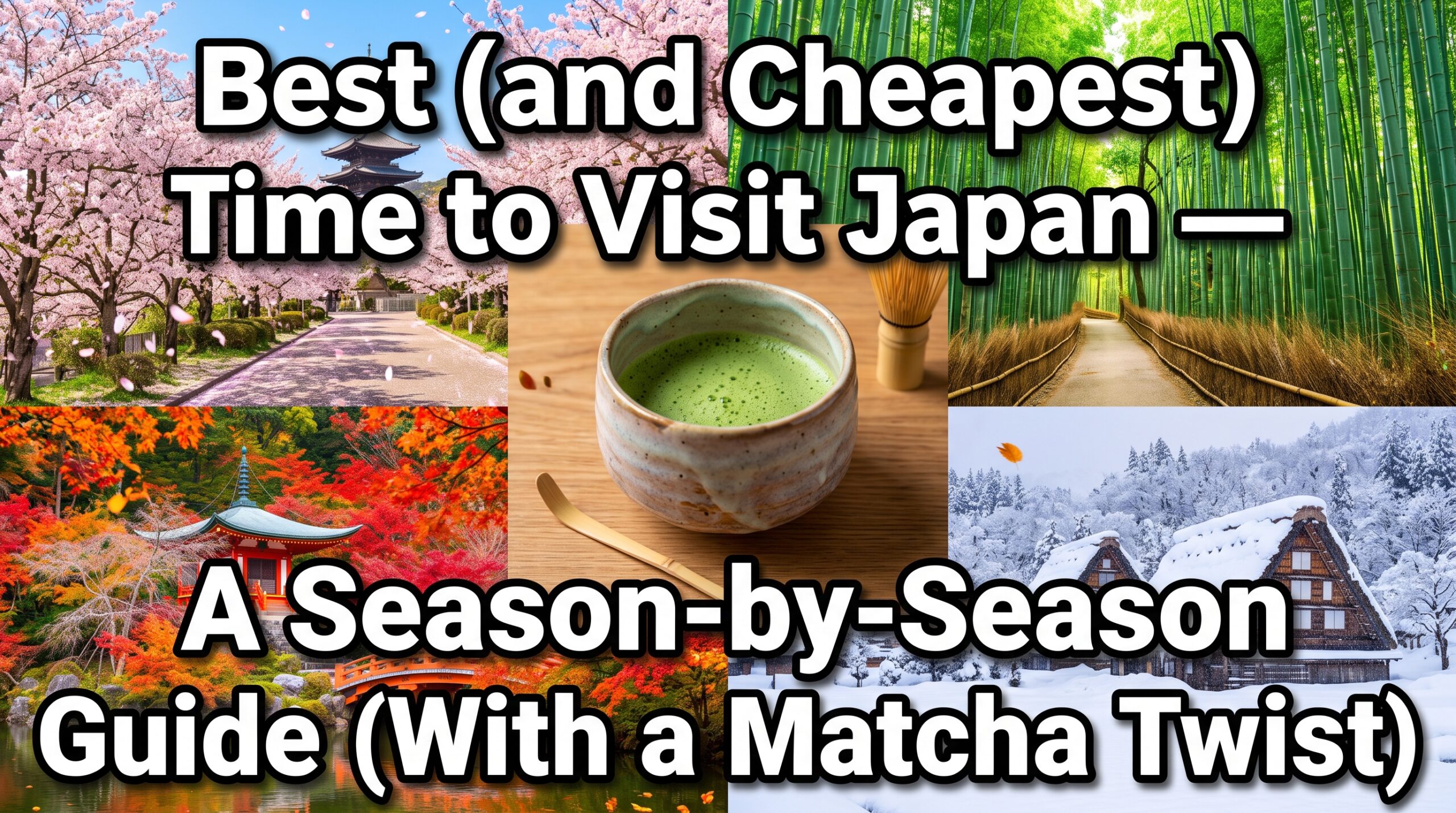
The Quick Answer, If You Just Want the TL;DR
| Season | Months | Price & crowds | Matcha angle |
|---|---|---|---|
| Winter | Mid-Jan–Feb | Cheapest flights & hotels of the year | Quiet tea shops, no lines, but it’s the off-season for fresh stock |
| Spring | Mar–May | Most expensive (blossoms + Golden Week) | Harvest happens, but new matcha isn’t sold yet |
| Early summer | June | Good value, rainy season trade-off | New-harvest matcha starts appearing on shelves |
| Peak summer | Jul–Aug | Expensive, hot, humid, crowded (Obon) | Full new-crop matcha selection is out |
| Autumn | Sept–Nov | Good value, cools off by late Nov | Uji Tea Festival (early Oct), foliage season |
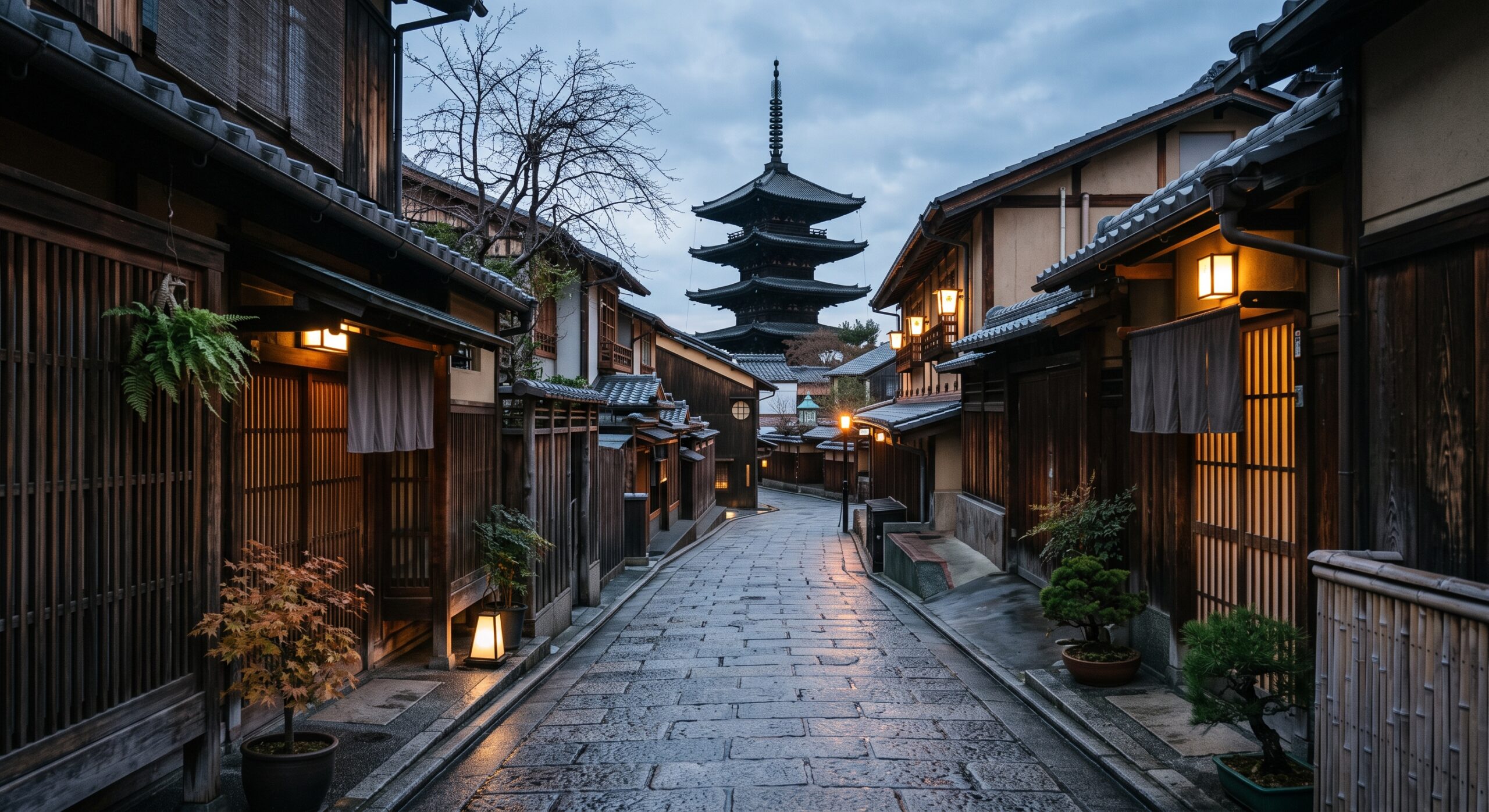
Winter (Mid-January–February): The Cheapest Time to Go, Hands Down
If your main goal is saving money, this is genuinely it. Round-trip flights from the US in this window regularly run somewhere in the $260–$400 range, hotel rates drop across the board, and you’ll actually get elbow room at popular spots instead of fighting through a crowd for a photo. The catch is obvious: it’s cold (roughly 5–10°C / 41–50°F depending on the region), days are short, and some attractions run reduced hours.
For matcha specifically, winter is a mixed bag. Tea shops in Uji and Kyoto are noticeably calmer, so you’ll actually get to talk to staff and taste things without a line behind you. The tradeoff is that you’re buying from the previous year’s harvest — nothing “new” has come in yet, since the plants are still dormant. If you’re mainly here to shop and sightsee without drama, though, this is your season.
Spring (March–May): Gorgeous, Crowded, and Not Actually the Best Matcha Timing
This is the season everyone pictures — cherry blossoms, mild weather, everything Instagram-perfect. It’s also, unsurprisingly, the most expensive stretch of the year, driven by blossom season plus Japan’s own school holidays in late March/early April, and then Golden Week (a cluster of national holidays in late April into early May) when domestic travel demand spikes on top of the international crowds. Expect the highest prices of the year and the biggest crowds at anywhere remotely famous. Keep in mind exact cherry blossom timing shifts year to year by a week or two depending on weather, so treat any specific date as an estimate, not a guarantee.
Here’s the part most travel guides skip: this is also when matcha’s actual harvest happens (ichibancha, the prized first flush, typically comes in through April and May). But — and this trips a lot of people up — freshly harvested leaves aren’t the same as freshly available matcha. The leaves still need to be steamed, dried, aged briefly, and stone-ground before they’re sold, so if you’re visiting in spring expecting to buy “this year’s matcha,” you’ll actually still be buying last year’s stock. The new stuff isn’t out yet.
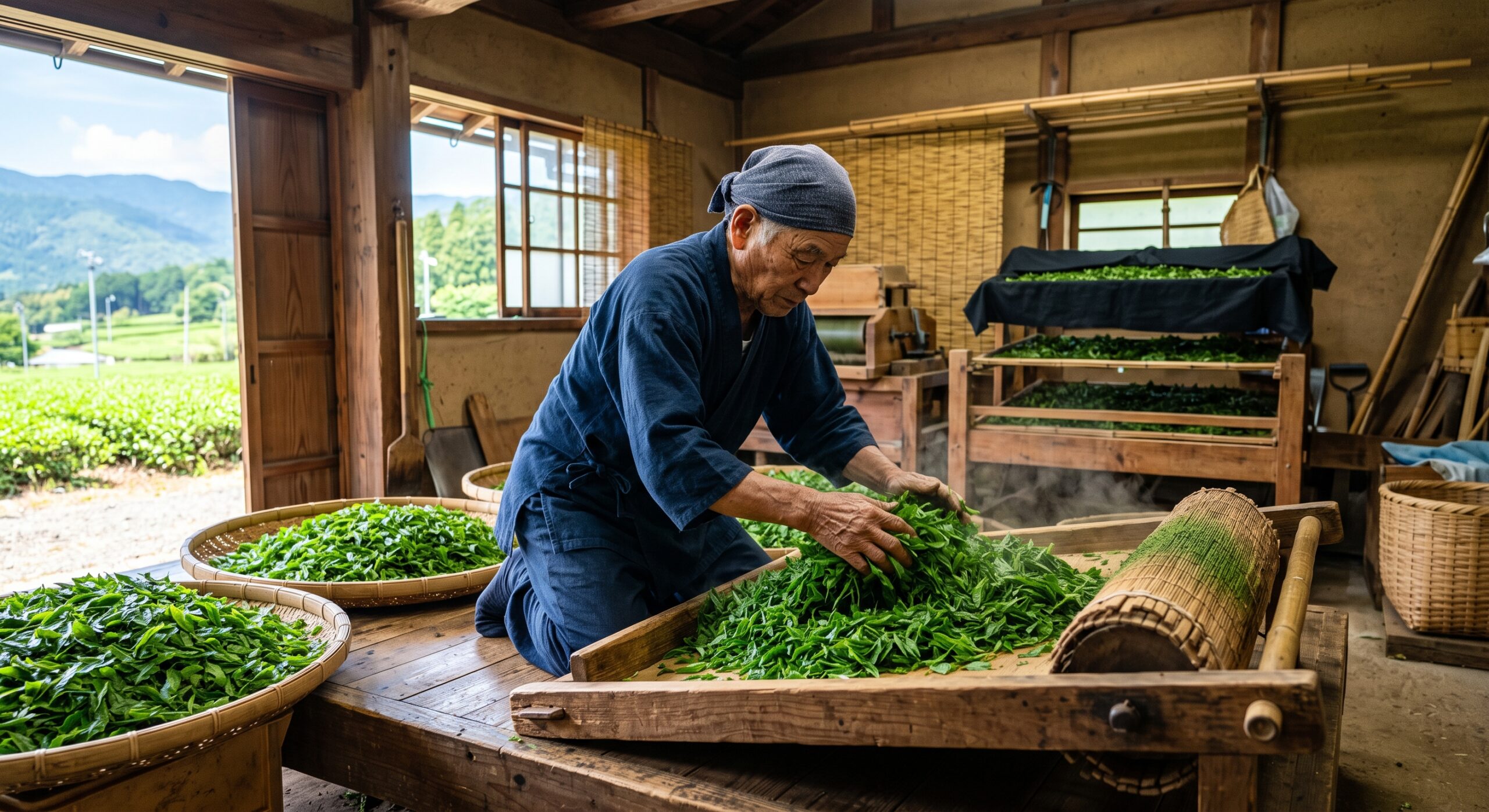
Early Summer (June): The Rainy-Season Sweet Spot
June is the quiet hero of this list. Hotel rates dip noticeably before the summer rush kicks in, and — this is the part that matters if matcha’s your whole reason for coming — this is roughly when new-harvest matcha actually starts showing up for sale, generally sometime between May and July depending on that year’s supply. If you time a June trip right, you can genuinely walk into a shop in Uji and buy tea that was picked just weeks earlier. The obvious downside is Japan’s rainy season (tsuyu) sits right in this window, so pack for sustained rain and humidity, and build some indoor backup plans into your itinerary.
Peak Summer (July–August): Skip It If You Can
Honestly, this is the season to avoid unless your schedule doesn’t give you a choice. Prices climb 30–50% above baseline thanks to summer school holidays layering on top of Obon (Japan’s mid-August holiday period, when a huge chunk of the country travels domestically at once). Add in heat and humidity that regularly pushes past 30°C/86°F, and you’ve got the least comfortable combination of expensive and uncomfortable. The one upside: by this point, the full new-crop matcha lineup is usually out and available, so at least the tea shopping is at its best if you’re willing to tough out the weather and the wallet hit.
Autumn (September–November): Good Value, Foliage, and a Tea Festival Almost No Tourists Know About
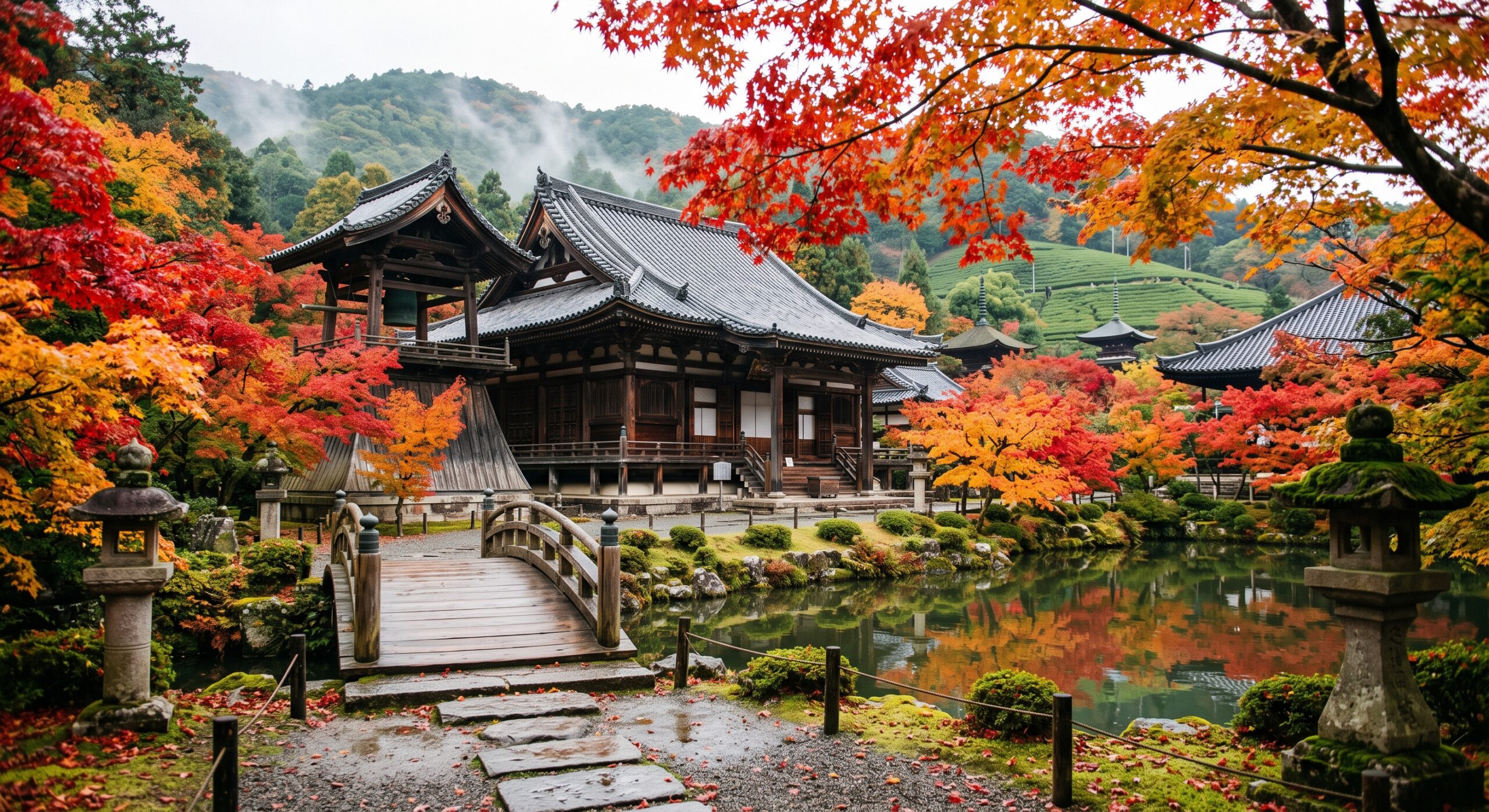
Early-to-mid September is still warm and a little humid, with typhoon risk hanging around, but pricing is reasonable before Japan’s Silver Week holiday cluster hits. Push into late November and you get one of the best value windows of the whole year — crowds from the autumn-foliage rush have mostly thinned out, evenings cool down to a comfortable 8–10°C/46–50°F, and pricing sits in that same medium-low range you’d see in early June.
The 2026 Wildcard: The Exchange Rate
Worth mentioning while it’s relevant: as of 2026, the yen has been sitting in a weak range against the dollar (roughly ¥155–160 per USD), which has made Japan noticeably cheaper for international visitors than it was five or so years ago — hotels, meals, and yes, matcha all effectively cost less once converted back to dollars. That said, the Bank of Japan has been raising interest rates, and a stronger yen later in the year isn’t out of the question. If your travel dates are flexible, keep an eye on the exchange rate as part of your “when to go” math, not just the calendar.
Frequently Asked Questions
What’s the single cheapest month to visit Japan?
Mid-January through February consistently comes out on top for flight and hotel pricing. It’s cold and days are short, but if budget is your top priority, this is the window to target.
Should I avoid Golden Week completely?
If you can, yes. Golden Week (late April into early May) stacks international tourism on top of a huge wave of domestic Japanese travel, so trains, hotels, and popular attractions all get significantly more crowded and expensive at the same time. It’s manageable if you book everything early and stay flexible, but it’s not a relaxed time to visit.
If I want the freshest possible matcha, when should I go?
June is usually your best bet — that’s roughly when that year’s new-harvest matcha starts reaching shelves after processing. Going earlier, during the actual April–May harvest, is great for scenery but you’ll still be buying last year’s tea, since the new batch isn’t ready for sale yet.
Is cherry blossom season worth the extra cost?
That’s genuinely a personal call. It’s beautiful and a bucket-list experience for a lot of people, but you’re paying peak prices and dealing with the year’s biggest crowds for a bloom window that typically lasts under two weeks and shifts a bit each year depending on weather. If budget and crowds matter more to you than blossoms specifically, a shoulder season will serve you better.
Does the matcha shortage mentioned elsewhere on this site affect trip timing?
A little. Since specialty shops in Uji and Kyoto have been capping how much matcha you can buy per visit due to the ongoing supply shortage, visiting during quieter months (winter, late autumn) at least means you won’t be competing with as many other buyers for limited stock on any given day.
The Bottom Line
If pure savings is the goal, aim for mid-January through February or late November. If fresh matcha is the priority, June quietly beats the more “obvious” spring harvest season, even with the rain. And if you can, avoid stacking your trip on top of Golden Week or Obon unless you genuinely enjoy crowds — your wallet and your patience will both thank you.





Comments