This post contains affiliate links. If you buy something through one, I may earn a small commission at no extra cost to you — thanks for supporting the site.
Every few months, matcha gets crowned the internet’s latest miracle drink — supposedly it’ll boost your metabolism, calm your anxiety, and add years to your life, all in one bowl. The truth about matcha’s health benefits is less magical but honestly still pretty good: it’s genuinely one of the more antioxidant-dense beverages you can drink, and the research backing that up is real, even if some of the bigger claims need an asterisk. Let’s separate what science actually supports from what’s just wellness-influencer noise.
What’s Actually Inside a Cup of Matcha
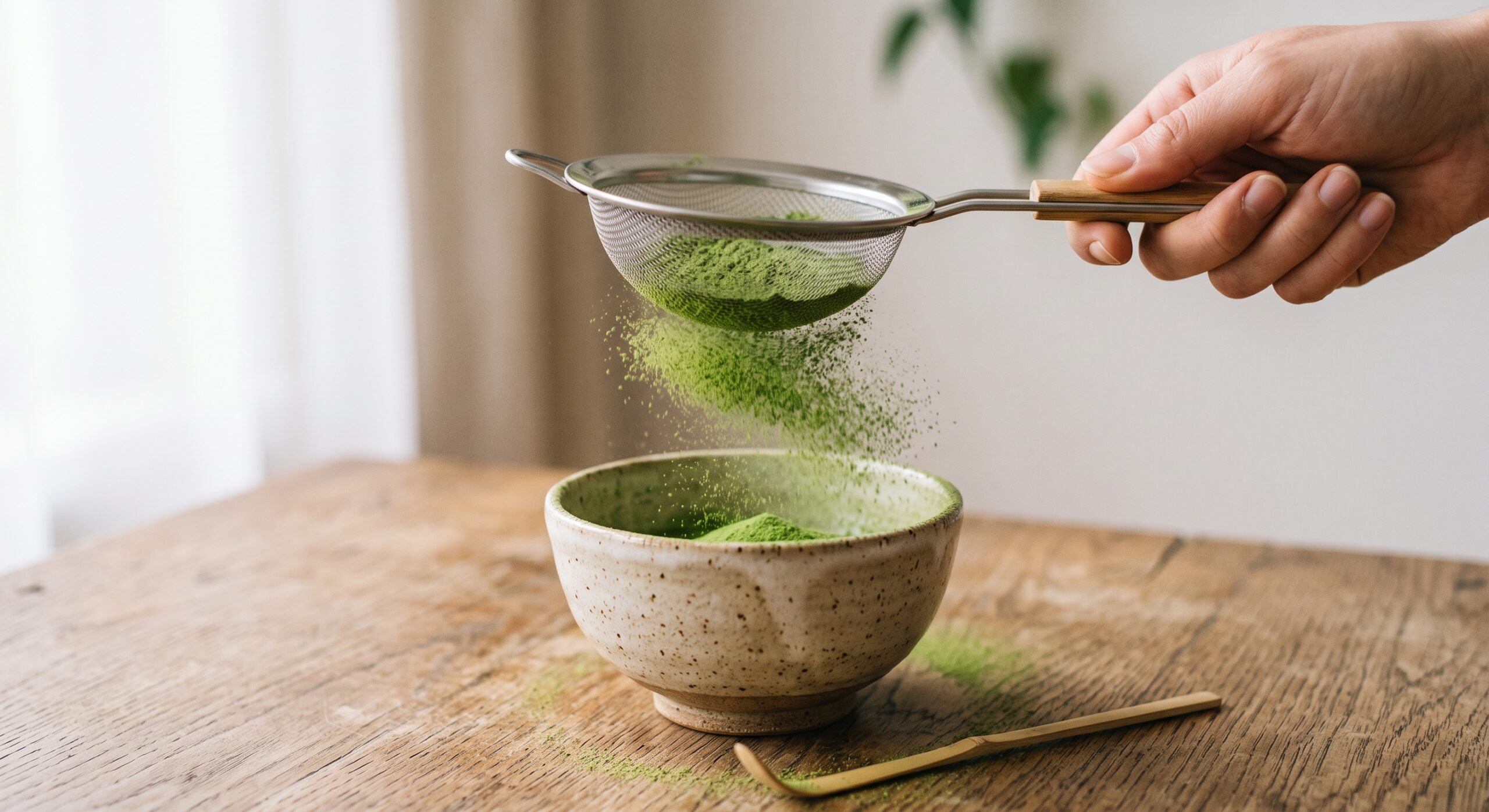
Before getting into the matcha health benefits themselves, it helps to know what you’re actually drinking. Because matcha is made from stone-ground, shade-grown whole tea leaves — not steeped and discarded like regular tea — you end up consuming a much higher concentration of the plant’s natural compounds per cup. The three that matter most for the health conversation:
Catechins, especially EGCG (epigallocatechin gallate) — a polyphenol antioxidant that’s been the subject of hundreds of studies for its potential role in cellular protection against oxidative stress. Matcha reliably tests higher in EGCG than steeped green tea, simply because none of the leaf gets thrown away.
L-theanine — an amino acid found almost exclusively in tea plants, and found in higher amounts in shade-grown matcha specifically (the shading is what triggers the plant to produce more of it). L-theanine is associated with a calmer, more relaxed alertness, which is the scientific explanation behind matcha’s famous “focused but not jittery” reputation.
Caffeine — matcha isn’t caffeine-free, and actually tends to contain a bit more caffeine per cup than steeped green tea. The commonly cited range is roughly 35–70 mg per serving, depending on how much powder you use, versus roughly 25–40 mg for a typical steeped cup of green tea.
The Antioxidant Case for Matcha
This is where matcha’s reputation is on the strongest scientific footing. Because you’re consuming the whole ground leaf rather than just what dissolves out during a steep, multiple nutritional analyses have found matcha delivers meaningfully more catechins per serving than brewed green tea. Antioxidants like EGCG are thought to help neutralize free radicals — unstable molecules linked to cellular damage over time — though it’s worth being precise here: “high in antioxidants” doesn’t automatically translate to a specific, guaranteed health outcome for any one person. It’s a genuinely good property of the drink, not a cure for anything.
INSERT AFFILIATE LINK/WIDGET HERE (e.g. a ceremonial-grade matcha tin from a reputable Uji or Nishio producer, for readers who want a genuinely antioxidant-dense daily cup)
Focus, Calm Energy, and the L-Theanine + Caffeine Combo
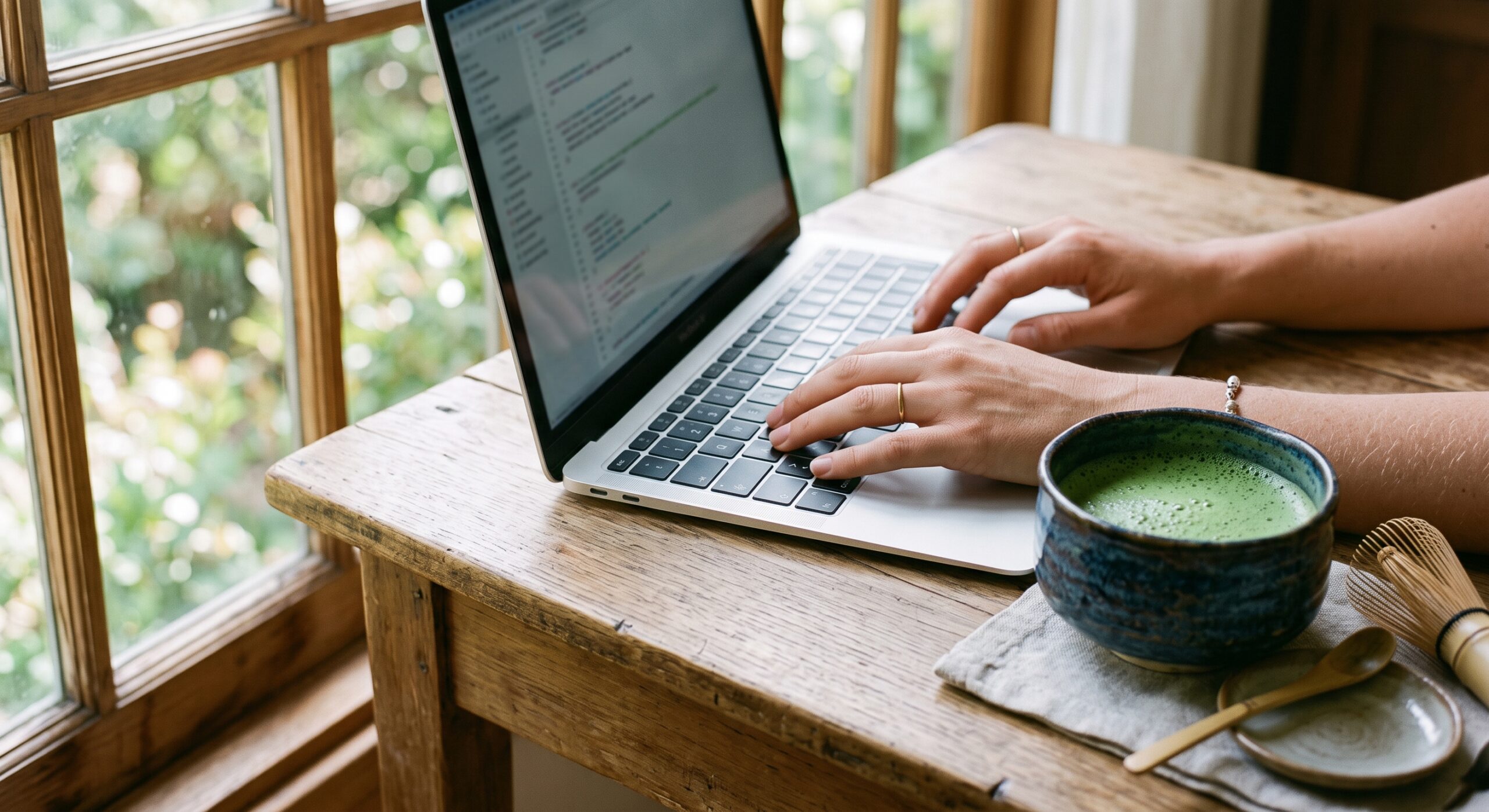
If you’ve ever switched from coffee to matcha and noticed you feel alert but not wired, that’s not a coincidence — it’s the specific L-theanine and caffeine combination doing its thing. L-theanine is believed to promote alpha brain wave activity associated with relaxed alertness, and several small studies suggest that pairing it with caffeine (as naturally happens in matcha) may smooth out the jittery edge and crash that caffeine alone can cause.
| Coffee | Matcha | |
|---|---|---|
| Caffeine per cup | ~95 mg | ~35–70 mg |
| L-theanine | None | Naturally present, higher in shaded/ceremonial grade |
| Reported energy curve | Faster onset, more prone to a crash | Slower, steadier release, commonly described as “calm focus” |
This isn’t to say coffee is bad or matcha is some superior substitute — plenty of people love coffee and do fine on it. But if you’re someone who gets anxious or jittery on coffee, matcha’s caffeine-plus-L-theanine profile is a genuinely well-documented reason it might sit better with you.
What the Research Actually Says (and What It Doesn’t)
This is the section where I want to be straight with you, because matcha marketing loves to imply it’s basically medicine. Here’s a more honest picture: preliminary and small-scale studies have looked at matcha and green tea catechins in relation to metabolism, cardiovascular markers, and cognitive function, and some of the early results are genuinely encouraging. But “preliminary,” “small-scale,” and “early” are doing a lot of work in that sentence. Much of the strongest tea-catechin research uses concentrated extracts in controlled lab settings — not necessarily the same as drinking a cup of matcha at your kitchen counter.
What that means practically: matcha is a nutritious, antioxidant-rich beverage that reasonably fits into a healthy diet, and there’s real science behind its calm-focus and antioxidant properties specifically. What it isn’t is a proven treatment for any disease, a guaranteed metabolism booster, or a substitute for medical care. If you see a headline claiming matcha “cures” or “prevents” something specific, that’s a good moment to be skeptical and go looking for the actual study behind it.
How Much Matcha Do You Actually Need to Drink?
You don’t need to chug bowls of it all day to get the benefit. A single serving is typically 1–2 grams of matcha powder (roughly half a teaspoon to a teaspoon), whisked into hot water or milk. Most people who drink it regularly stick to one to two cups a day — enough to get a meaningful dose of catechins and L-theanine without overdoing the caffeine. More isn’t automatically better here; like anything caffeinated, moderation is the sensible default.
INSERT AFFILIATE LINK/WIDGET HERE (e.g. a Kyoto or Uji matcha tea ceremony experience via Klook/Viator, for readers who want to taste single-origin matcha where it’s actually grown)
Frequently Asked Questions
Does matcha actually boost metabolism?
Some small studies suggest tea catechins may have a modest, short-term effect on metabolic rate, but the effect size is small and shouldn’t be relied on as a weight-loss strategy on its own. Think of it as a minor supporting factor, not a shortcut.
Is matcha good for anxiety?
Matcha contains L-theanine, an amino acid associated with calm, relaxed alertness, which is why many people report feeling more level after matcha than after coffee. That said, it still contains caffeine, so it’s not a guaranteed anxiety remedy for everyone — some caffeine-sensitive people may still feel wired.
How much caffeine is in matcha compared to coffee?
Matcha typically has less caffeine than coffee — roughly 35–70 mg per cup versus around 95 mg in an average cup of coffee — though it still contains meaningfully more caffeine than a typical steeped cup of green tea.
Is matcha healthier than regular green tea?
Matcha generally delivers more antioxidants and L-theanine per cup because you consume the whole leaf rather than steeping and discarding it. That doesn’t make green tea “unhealthy” — it just means matcha is a more concentrated version of many of the same beneficial compounds.
Can you drink too much matcha?
Yes — like any caffeinated beverage, excessive matcha (many cups a day) can cause caffeine-related side effects like jitteriness, trouble sleeping, or an upset stomach. One to two cups daily is a sensible range for most healthy adults.
The Bottom Line
Matcha’s health benefits are real, not just wellness marketing — it’s genuinely rich in antioxidants like EGCG, and the L-theanine-plus-caffeine combination has legitimate science behind its calm-focus reputation. Just keep expectations grounded: it’s a nutritious daily habit, not a cure-all, and the research on bigger claims (metabolism, disease prevention) is still early. Enjoy it as a genuinely good beverage choice, and if a headline claims otherwise, go check the actual study.






Comments